PRESS RELEASE
Dakar and Geneva, 6 July 2026: Burkina Faso, Senegal, Côte d’Ivoire, Mali, Guinea and Benin can now congratulate themselves on having put in place their Guidelines for Ethical, Inclusive and Responsible Artificial Intelligence. In a global context where AI is transforming the way we operate, presenting both tremendous opportunities and considerable risks, these guidelines provide a framework enabling our countries to actively shape the digital revolution on their own terms.
This work, which has been formally incorporated into the written submissions for the first UN Global Dialogue on AI Governance, marks a decisive step towards establishing an African approach to AI, rooted in human rights, cultural diversity and the continent’s development imperatives. It is the culmination of a rigorous process bringing together researchers, technical experts and, crucially, national directors-general from ministries responsible for digital affairs and digital transformation. These key stakeholders have articulated a shared ambition: to provide Francophone Africa with an AI governance framework rooted in its realities and development priorities.
«The artificial intelligence revolution is gathering pace, and with it every nation faces a choice: to undergo this transformation or to take an active role in shaping it,» says Dr Aminata ZERBO/SABANE, Minister for Digital Transition, Posts and Electronic Communications of Burkina Faso. «Through these guidelines,» she asserts, «we are establishing a framework that reflects who we are, based on our values, our languages and our African realities. Artificial intelligence must not be an imported concept. It must be a conscious lever, harnessed to transform our priority sectors and advance the well-being of our people. Only then will this technology fulfil its promise of being a genuine driver of responsible development, rooted in the lived experiences and aspirations of our peoples.»
Valérie Traoré, Executive Director of NIYEL – the organisation that facilitated this forum for dialogue and helped to draw up the guidelines – welcomes the process. «This process demonstrates that French-speaking Africa has not only the will, but also the capacity to define its own standards for artificial intelligence. Our role at Niyel has been to create a space where this collective will could be expressed and transformed into a shared policy document,» she added.
The guidelines set out an operational framework for developing AI policies that are inherently ethical, inclusive, accountable, transparent and sovereign.
According to Mr Aly Cherif, National Director of Information Technology and the Digital Economy at the Ministry of Posts, Telecommunications and the Digital Economy in Guinea-Conakry, who has actively contributed to the development of these networks, they serve a dual purpose for countries. «On the one hand, using AI as a lever for human development, social cohesion and digital justice to address our structural challenges in education, health and agriculture. On the other hand, to mitigate the risks that imported AI systems might exacerbate power imbalances, reproduce structural discrimination or undermine African societal values.»
According to Dr Seydina M. NDIAYE, who holds a PhD in computer science and specialises in artificial intelligence, these guidelines form part of a pan-African and global initiative. They represent a structured African contribution to the global debate, affirming the continent’s ability to formulate its own policy directions. They are intended to engage with the African Union’s initiatives and to inform international debates within major organisations (UNESCO, ITU, the United Nations), thereby providing a coherent and well-informed African voice.
«I call on policymakers, regulators, researchers, private-sector stakeholders, civil society and young people – particularly in French-speaking Africa – to take ownership of these guidelines. Use them as a reference when developing national AI policies. Draw on them to guide innovation. Share them to promote regional coherence and mutual learning.» concluded Mr Symerre Grey-Johnson, Director of Social Development, Human Capital and Institutional Development (HCID) at the African Union Development Agency (AUDA-NEPAD).
About NIYEL
Founded in Senegal in 2008, Niyel is an international advocacy organisation whose mission is to inspire, facilitate and bring about change in policies and practices across various sectors and on human rights issues. Since 2021, Niyel has been advocating for responsible, inclusive and ethical artificial intelligence in Africa.

On Monday 15 May 2023, IPAR took part in an "expert panel on artificial intelligence as a driver of development” in Saly Read more
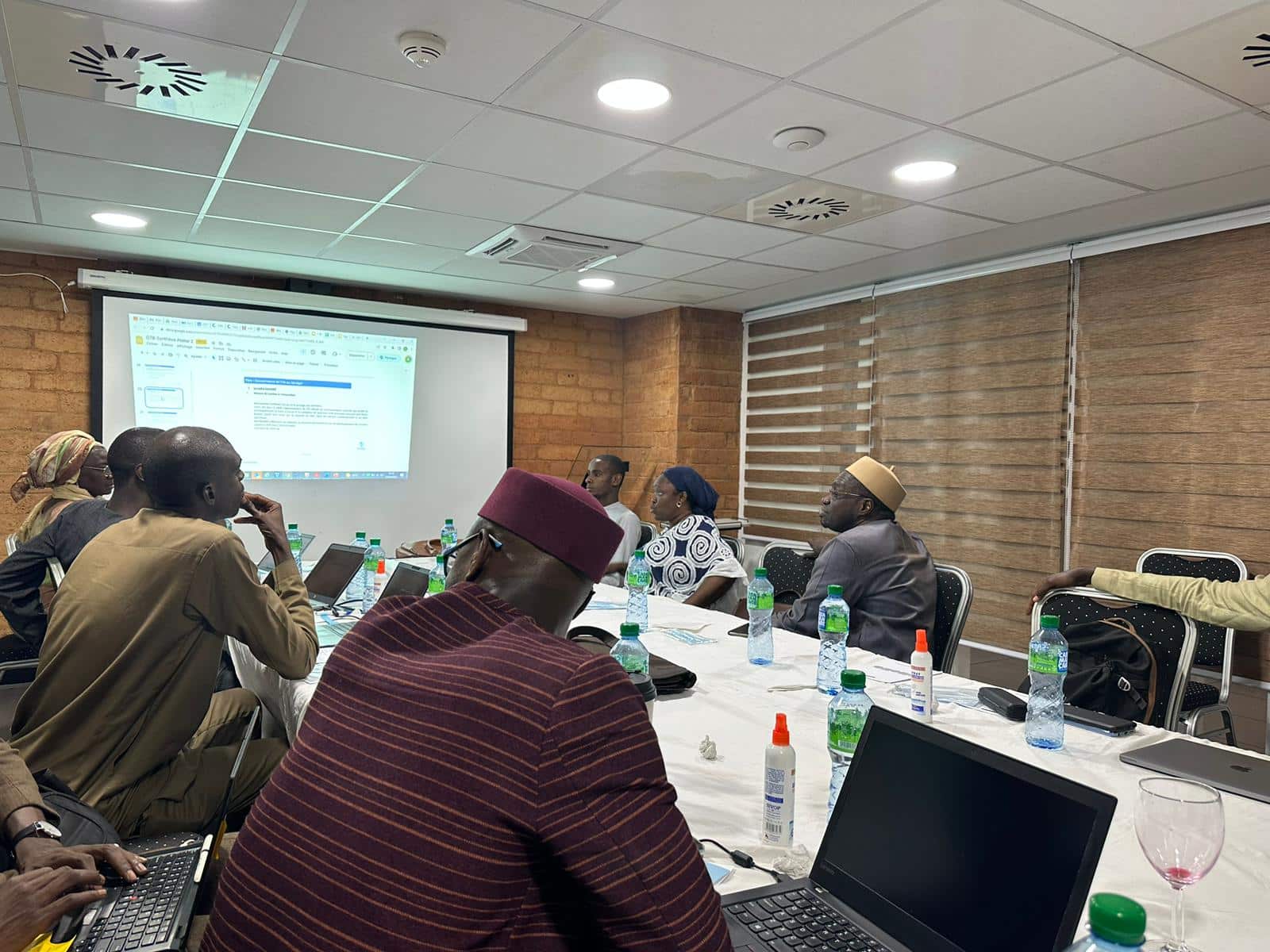
IPAR took part in the second workshop on the formulation of the national Artificial Intelligence strategy, which was held on 21 Read more
 FR
FR  EN
EN