


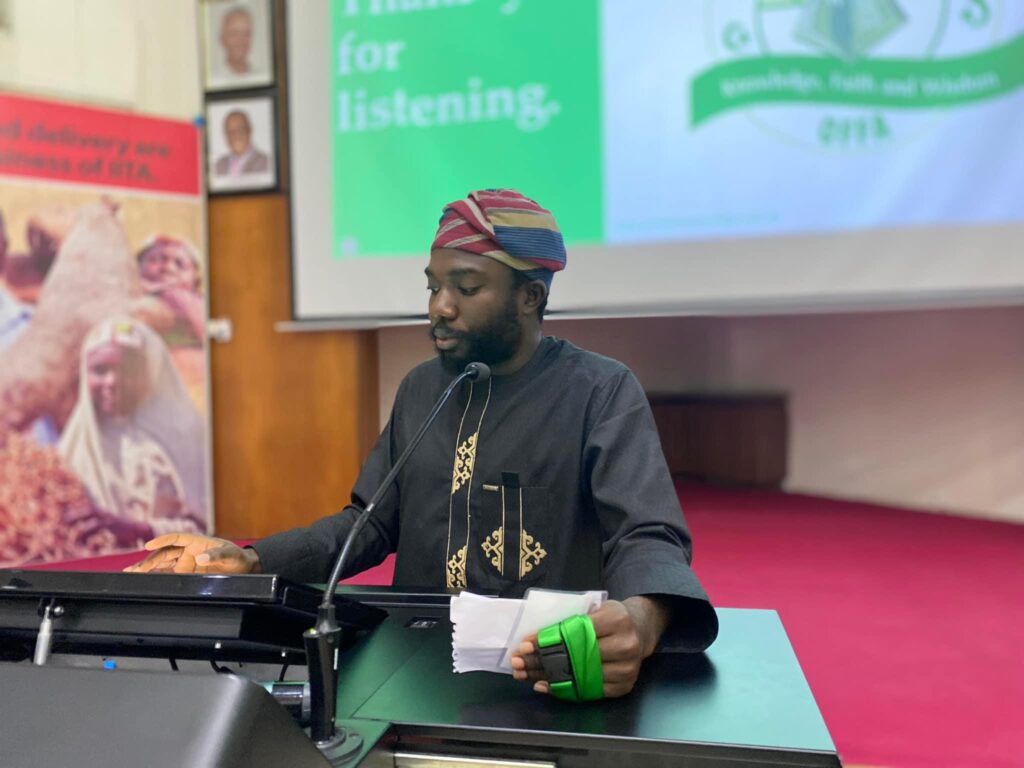
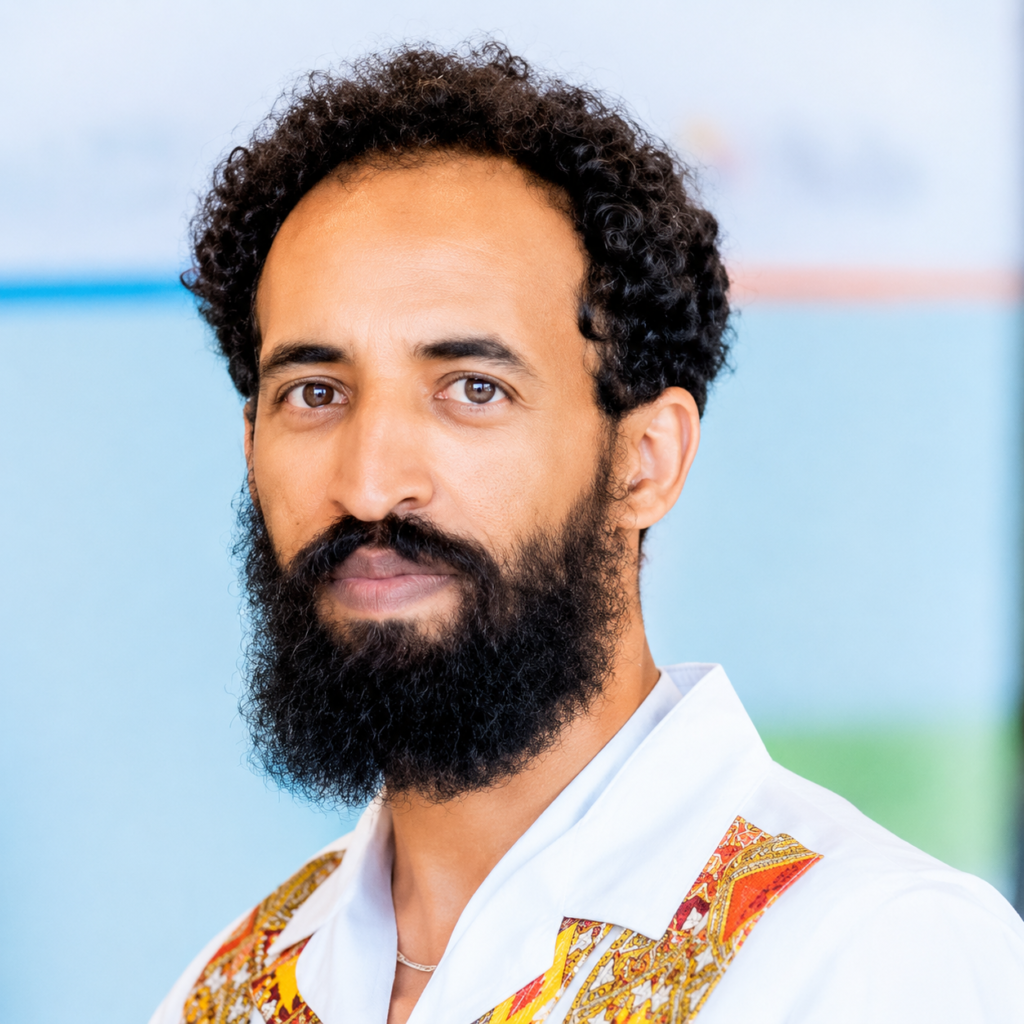
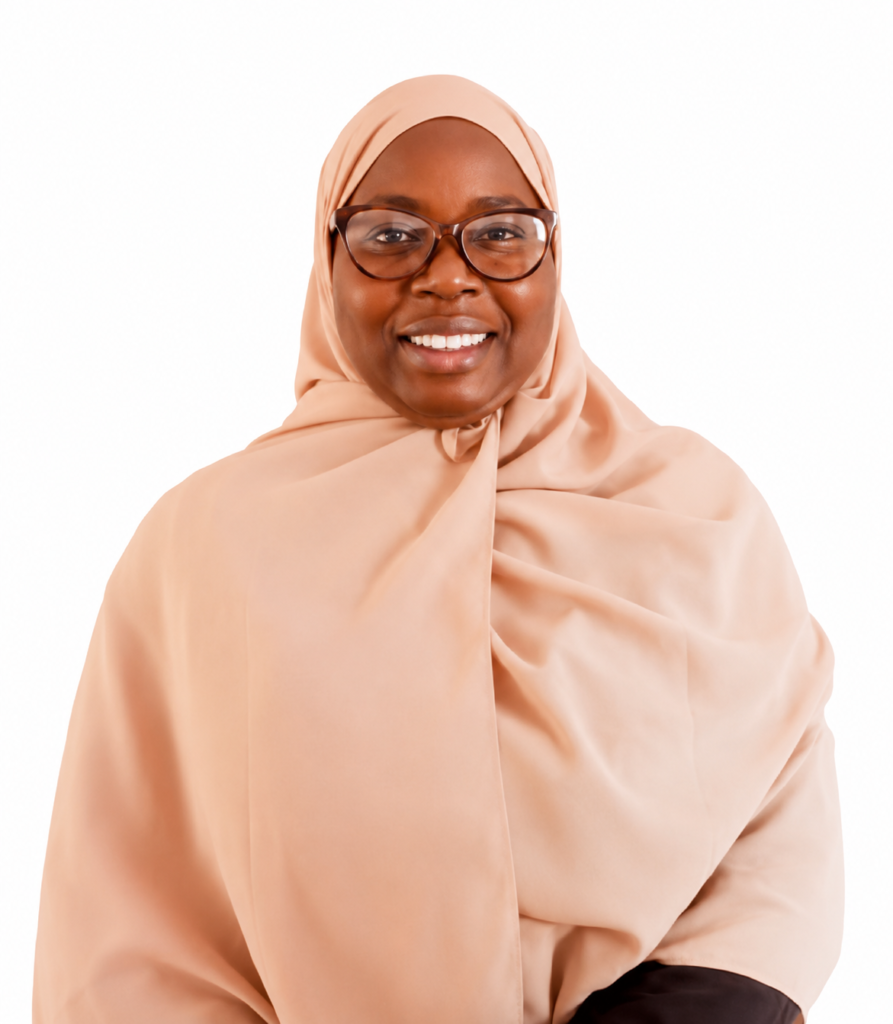
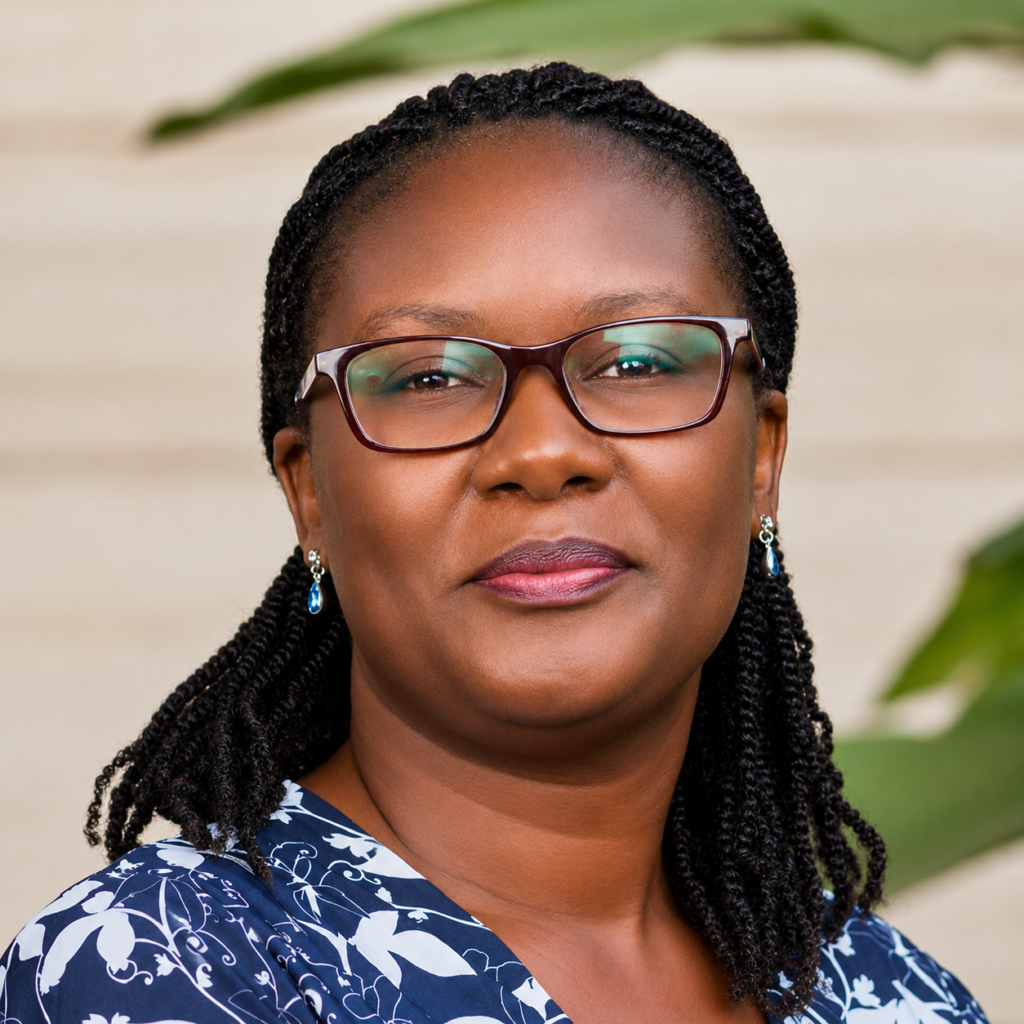
Ibrahim is a researcher, lecturer and advocate for digital governance based in Nigeria, specialising in the intersection of technology, public policy and social justice. His work focuses on the governance and ethical implications of emerging technologies, particularly artificial intelligence, and their adaptation to African contexts.
He lectures at Summit University Offa, where he contributes to research and initiatives on AI ethics, gender, digital literacy and governance. He has organised and contributed to several national events and programmes focused on digital transformation, education and responsible technology, including TEDxSummitUniversityOffa and the AI4FS school outreach programmes.
Ibrahim also serves on academic committees, contributes to national education initiatives such as JAMB, and represents his university within the KU8+ consortium. Through his research, academic engagement and community-based technology initiatives, he promotes inclusive and ethical digital transformation and works to expand opportunities for African young people within the digital and AI ecosystem.
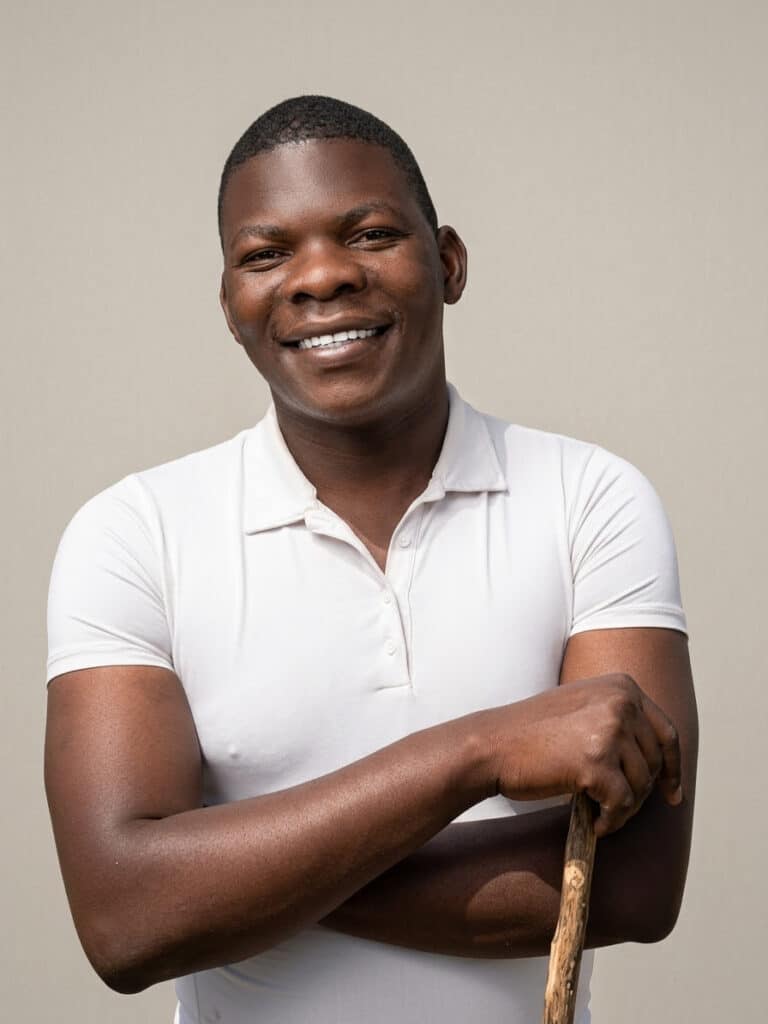
Hempstone Tinga is a statistician-turned-entrepreneur specialising in human data operations for artificial intelligence. He is the founder of riengAI, a start-up that supports AI companies with high-quality data collection, transcription, speech data collection, image annotation and data validation.
With experience in crowd testing and community management, Hempstone focuses on the human aspect of AI and on mobilising diverse communities to generate reliable and representative datasets. Through a community of more than 10,000 contributors, he supports large-scale data collection projects across East Africa.
His work helps to strengthen African participation in the AI value chain whilst promoting more inclusive, ethical and equitable approaches to data and AI development.
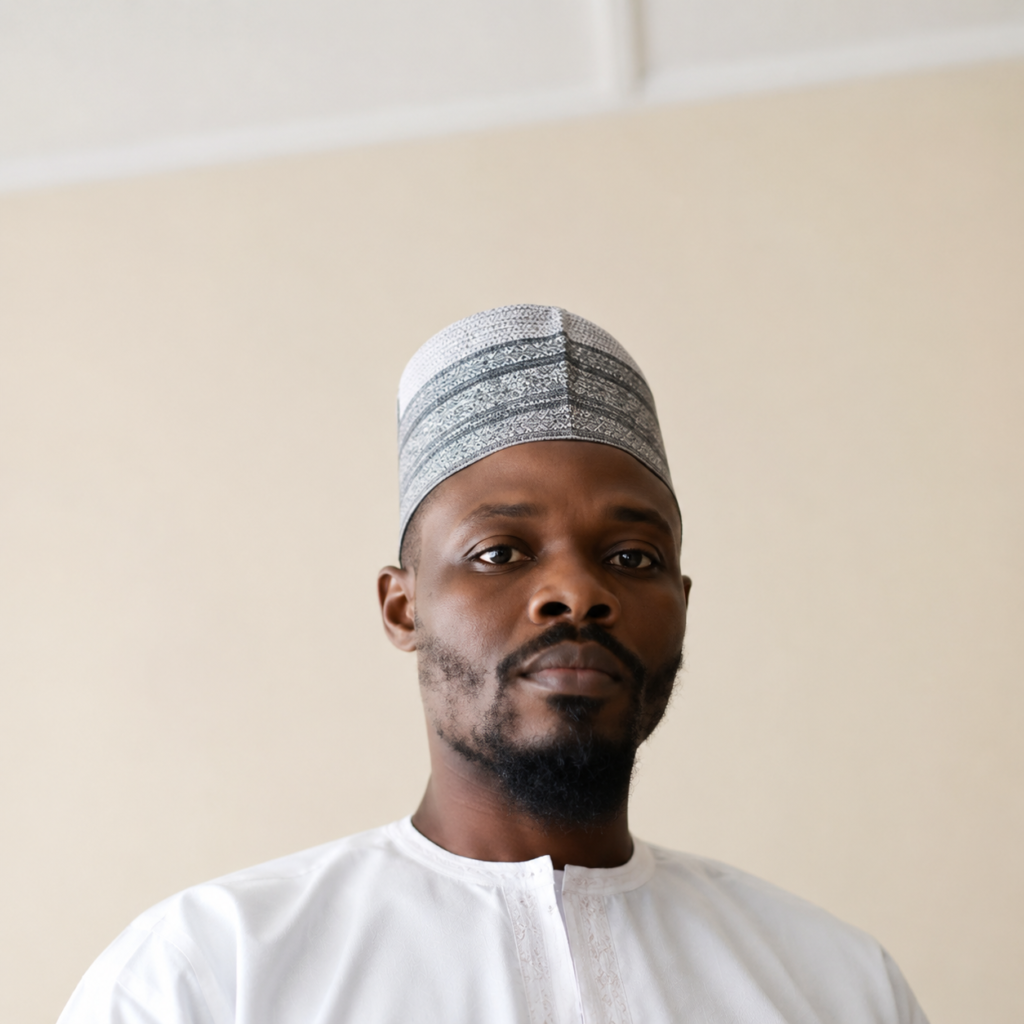
Professor Olayinka Jelili Yusuf is a renowned Nigerian academic specialising in rural sociology, agricultural extension and sustainable rural development. A lecturer and researcher at Kwara State University, he has over a decade’s experience in research, higher education and institutional leadership in the fields of agriculture and rural development.
His work lies at the intersection of rural livelihoods, agricultural extension systems, technological innovation and sustainable development. Using a multidisciplinary, evidence-based approach, he studies the interactions between people, institutions and technologies with a view to promoting inclusive and sustainable rural transformation.
He is currently leading several innovative initiatives that integrate artificial intelligence into agricultural systems. In particular, he is the Principal Investigator for the project Artificial Intelligence for Women in Agriculture (AI4WIA), which aims to empower women farmers through digital technologies, and is also in charge of the initiative Artificial Intelligence for Sustainable Agricultural and Rural Development (AI4SARD), which focuses on the use of AI to improve agricultural productivity and decision-making amongst smallholder farmers.
His areas of research also include adaptation to climate change, digital agricultural platforms, food security, rural enterprise development and agricultural extension models geared towards public policy. Alongside his research activities, he is actively involved in capacity building, academic mentoring and institutional development.
Walelign Tewabe Sewunetie is a researcher in artificial intelligence (AI), specialising in machine learning (ML) and natural language processing (NLP). He currently holds the post of Knowledge and Technology Transfer Scientist at the African Institute for Mathematical Sciences – Research and Innovation Centre (AIMS-RIC) in Rwanda.
He holds a PhD in Information Science and Technology from the University of Miskolc in Hungary; his research focuses on the development of innovative AI-based solutions in strategic fields such as healthcare, education and natural language processing. During his academic career, he has secured and successfully completed three international research grants, demonstrating his ability to design and lead high-impact projects.
Alongside his research activities, Walelign has extensive experience in project management, drafting funding proposals, facilitating Design Thinking workshops and providing strategic consultancy. He is particularly interested in innovation in artificial intelligence, the use of AI to improve healthcare systems, and the promotion of inclusive AI education in Africa.
Through his work, he contributes to the development of technological solutions tailored to the realities of Africa, whilst promoting knowledge transfer and innovation in support of the continent’s sustainable development.
Mutiat Olaitan Mohammed is a Nigerian researcher, an innovator in sustainable biotechnology and a PhD student specialising in biomass bioconversion, bioenergy and nanobiotechnology. As a recipient of the ASM Future Leader Mentorship Fellowship, she is recognised for her commitment to innovative solutions aimed at transforming waste into high value-added resources.
With over fifteen years’ professional experience, her expertise spans microbiology, nanobiotechnology, higher education, scientific research and project management. Her work focuses in particular on the recovery of agricultural waste, the development of biofuels and the applications of biotechnology for a more sustainable and circular economy.
Currently Acting Coordinator of the Research and Innovation Unit at Summit University in Offa, Kwara State, Nigeria, she plays an active role in strengthening research and scientific innovation. Through her numerous scientific publications and presentations, she is helping to advance knowledge in the fields of sustainable biotechnology and the ecological transition.
Her commitment to research and innovation has earned her recognition both nationally and internationally, making her an influential voice in the fields of nanobiotechnology, bioenergy and sustainable development.
Dr Joyce Nakatumba-Nabende is a renowned Ugandan researcher specialising in artificial intelligence and data science. She holds a PhD in computer science from the’Eindhoven University of Technology, she teaches in the Department of Computer Science at Makerere University, where she also heads the Makerere Artificial Intelligence Lab.
Her work focuses primarily on machine learning, African language processing, responsible artificial intelligence, and the applications of AI in agriculture, healthcare and development. She plays an active role in building the capacity of African data scientists and in promoting gender equality in artificial intelligence research.
A member of several international networks and organisations, including the’Association for Computing Machinery, Data Science Africa and RAIN Africa, she has led or contributed to numerous projects funded by the Bill & Melinda Gates Foundation, Google and other international partners. Her research focuses in particular on developing inclusive technologies tailored to African languages and contexts.
 FR FR
FR FR  EN
EN