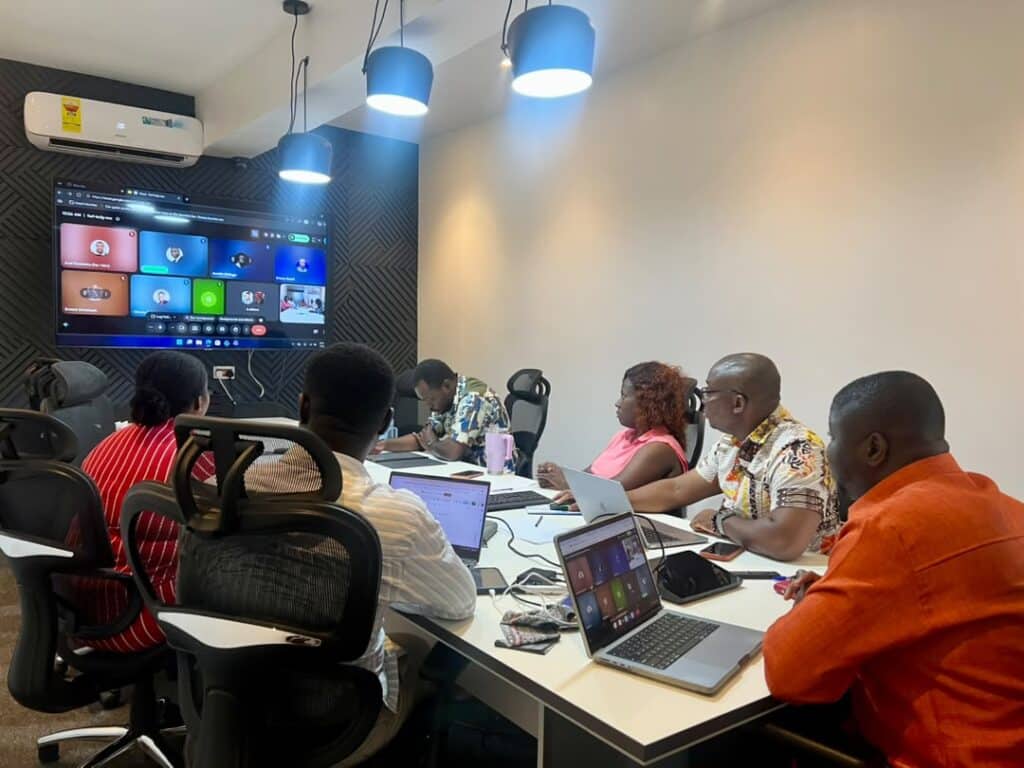
As part of Phase II of the GRAIN project, a Red-Teaming workshop on the GEDI (Gender Equality, Diversity and Inclusion) Framework was organized to assess and strengthen the framework developed for the Smart Indigenous Weather (SIWA) application by the innovators, namely YUX Design, Kwara State University, DIPPER Lab, and Pixol.
Discussions focused on several key issues:
✅ Integrating the principles of gender equality, diversity, and inclusion throughout the entire artificial intelligence development cycle by adopting an intersectional and cognitive justice approach;
✅ Identifying the barriers that limit access to and adoption of digital technologies by the most vulnerable communities;
✅ Better integrating factors such as age, gender, and local contexts into the design and deployment of AI solutions.
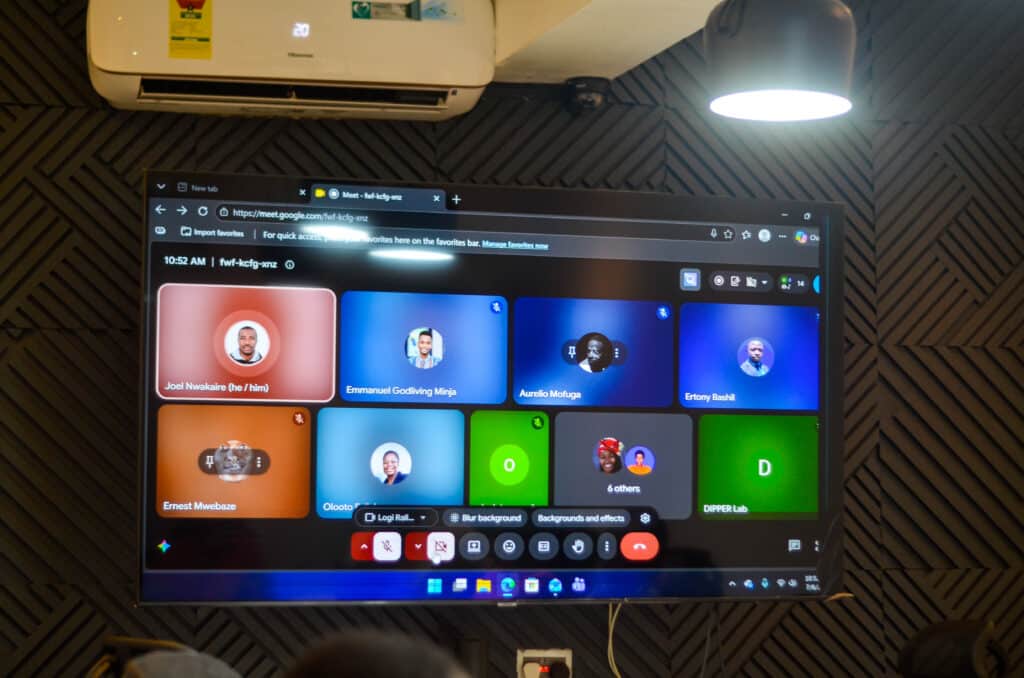
The workshop also provided innovators with an opportunity to present the progress of their projects and exchange good practices for promoting responsible, inclusive, and gender-responsive artificial intelligence across Africa.
On this occasion, Professor Eric Tutu Tchao, Scientific Director of DIPPER Lab, emphasized the importance of integrating sustainability into inclusive AI frameworks to ensure their long-term effectiveness and adaptability.
Contributing to the discussions, Dr. Marame Cissé highlighted that innovations developed using robust GEDI tools must combine inclusion, accessibility, and ease of use to ensure equitable access to technology, particularly for the most vulnerable populations.
Ernest Mwebaze and Khanysa Mabyeka stressed the importance of incorporating intersectional dimensions, particularly age, into the development of artificial intelligence applications in agriculture. They noted that this approach is fundamental to advancing cognitive justice by better recognizing the diversity of knowledge systems and the lived realities of different user groups.
For his part, Joel Nwakaire, the workshop facilitator, described the GEDI Framework as a “living document” that will continue to evolve into a comprehensive tool for evaluating and auditing responsible artificial intelligence projects.
Through this initiative, the GRAIN Network reaffirms its commitment to promoting ethical, inclusive, responsible, and context-responsive artificial intelligence that reflects African realities and ensures that technological innovation benefits all communities, leaving no one behind.

L’IPAR a participé, lundi 15 mai 2023 à Saly, à un "panel d’experts sur l'intelligence artificielle comme levier de développement Read more
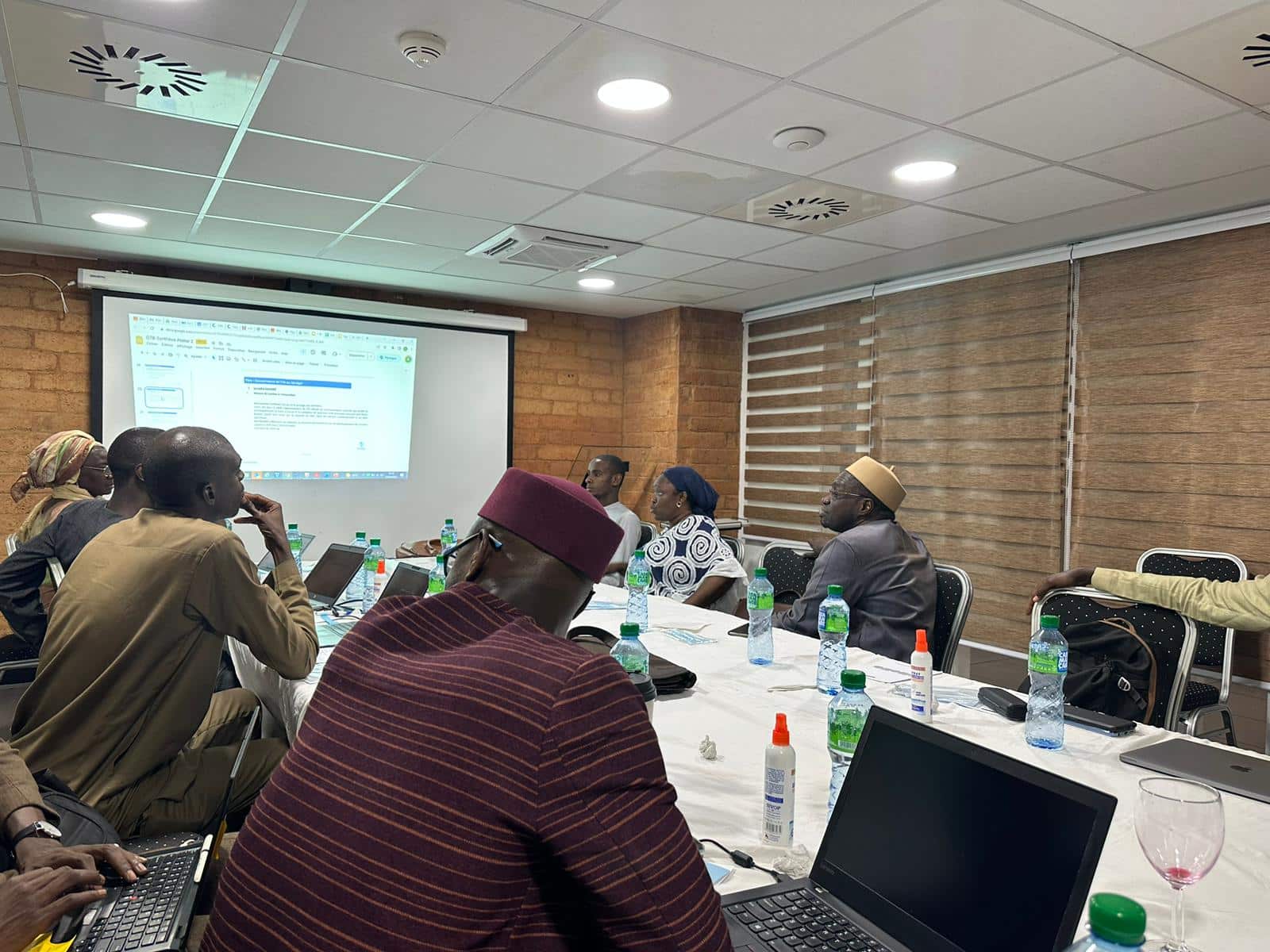
IPAR a participé au deuxième atelier de formulation de la stratégie nationale de l’Intelligence Artificielle qui s’est tenu les 21 Read more
 FR
FR  EN
EN