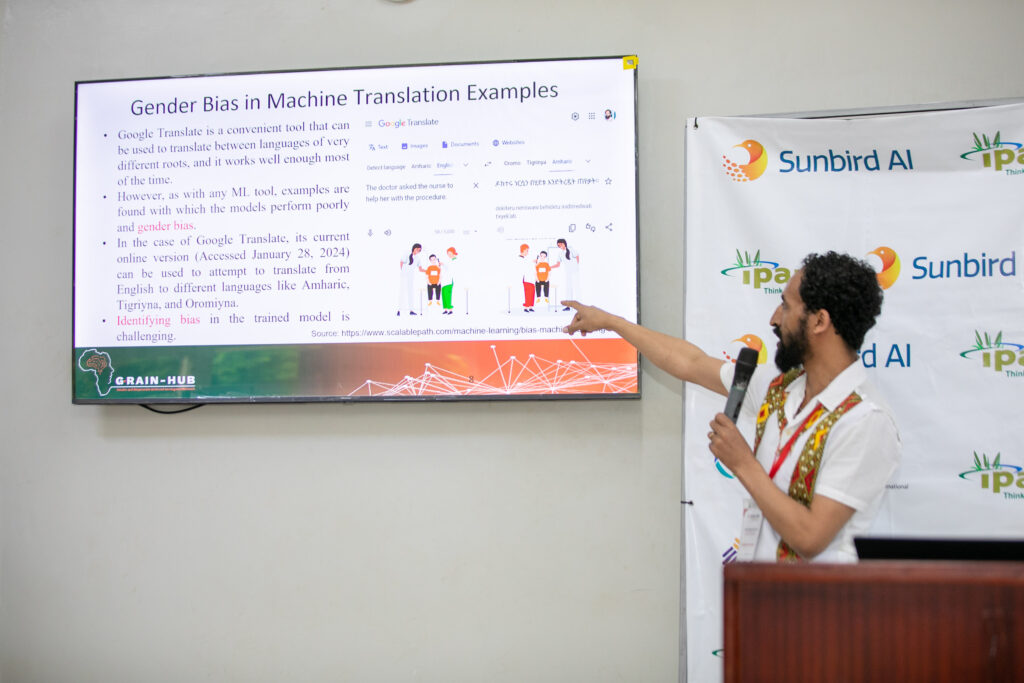
Entitled “Gender Bias Evaluation in Machine Translation for Amharic, Tigrinya, and Afaan Oromoo”, this study highlights the presence of gender bias in machine translation systems for three low-resource African languages: Amharic, Tigrinya, and Afaan Oromoo. It shows that translation tools often assign stereotypical gender roles to professions, even when the source text is gender-neutral.
Conducted by Walelign Tewabe Sewunetie and his team (Atnafu Lambebo Tonja, Tadesse Destaw Belay, Hellina Hailu Nigatu, Gashaw Kidanu, Zewdie Mossie, Hussien Seid, and Seid Muhie Yimam), the study introduces a benchmark dataset of 2,400 gender-balanced sentences translated into the three target languages. The authors combine human and automatic evaluations to assess gender bias in Google Translate and the NLLB machine translation model.
The findings reveal a high prevalence of gender bias in machine translations: 92.96% of Afaan Oromoo translations, 80.96% of Tigrinya translations, and 72.50% of Amharic translations exhibit gender bias. The study also finds that Google Translate generally outperforms the NLLB model in translation quality, although both systems continue to struggle with producing gender-inclusive translations for low-resource African languages.
The publication calls for stronger research efforts to develop more equitable machine translation systems based on balanced datasets that better reflect Africa’s linguistic and social diversity. It also underscores the importance of integrating responsible AI principles to reduce bias and promote more inclusive digital innovation.
Authors: Walelign Tewabe Sewunetie and his team (Atnafu Lambebo Tonja, Tadesse Destaw Belay, Hellina Hailu Nigatu, Gashaw Kidanu, Zewdie Mossie, Hussien Seid, and Seid Muhie Yimam)
Read the full article below:

L’IPAR a participé, lundi 15 mai 2023 à Saly, à un "panel d’experts sur l'intelligence artificielle comme levier de développement Read more
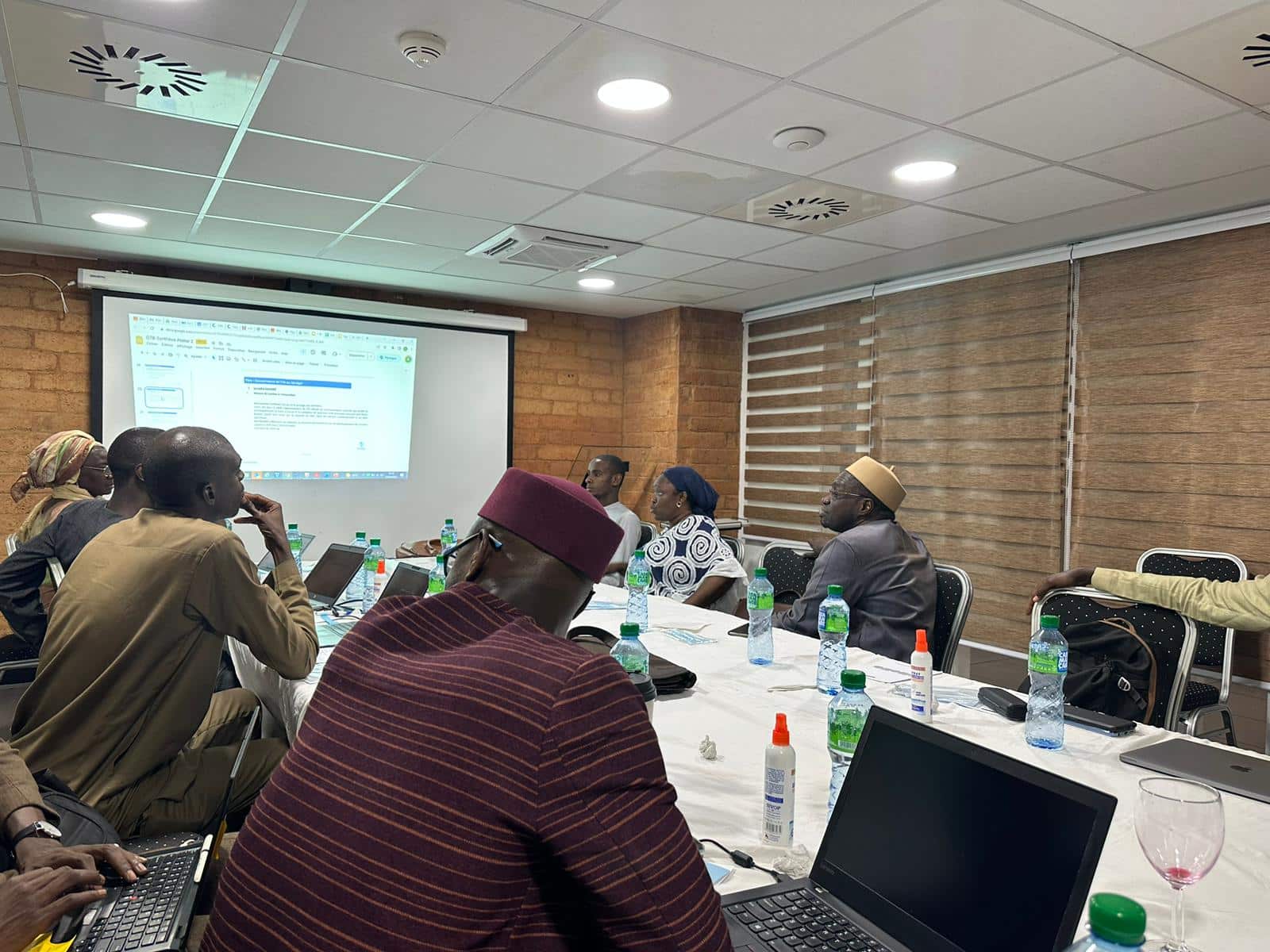
IPAR a participé au deuxième atelier de formulation de la stratégie nationale de l’Intelligence Artificielle qui s’est tenu les 21 Read more
 FR
FR  EN
EN