
Whilst the world faces many major challenges – from climate change and poverty to population displacement and social injustice – women and girls play a key role in addressing these issues and shaping future prosperity for all. Artificial intelligence (AI), along with other digital tools, can help us tackle these challenges and open up new opportunities. To realise this potential, we must take meaningful steps to mitigate the risks that AI poses to women and girls, and to use AI to advance gender equality.
By Leila Toplic, Head of the Emerging Technologies Initiative at NetHope
The adoption of AI is accelerating and its potential is considerable. Today, AI is integrated into almost every sector, from healthcare and finance to education and manufacturing. It is used to make decisions across all areas, whether it be recruitment, the granting of credit and the amount offered, or priority access to healthcare. This means that AI systems are essential to women’s participation in all sectors of society. The ability to access, use and shape AI is essential for the future of women’s human rights.
Whilst AI can help us solve some of the most difficult problems and transform the way we live and work, it could also exacerbate inequalities and the digital divide. The digital divide between men and women is already alarming. According to UN Women, women account for more than two-thirds of the world’s 796 million illiterate people. Of the approximately 2.9 billion people without internet access, the majority are women and girls. Women are 25 % less likely than men to know how to use digital technology for basic purposes. Women and girls lack access to and participation in science, technology, engineering and mathematics (STEM) fields. They are four times less likely to know how to programme computers. With such a significant gap in education, it is not surprising that women are under-represented in technology-related roles within the workforce. According to the World Economic Forum’s 2021 Global Gender Gap Report, only 32 % of those in roles within the data and AI sectors are women.
This digital divide between men and women has two consequences. Firstly, barriers to accessing and using digital technologies (including AI) prevent women and girls from accessing opportunities in education, the economy and society. Secondly, the under-representation of women and girls in the technology sector, including in the development of AI systems, only reinforces and amplifies existing gender-biased prejudices and stereotypes in our society, as AI does not reflect their needs, contexts, experiences and ideas.
It is therefore not surprising that women and girls are disproportionately affected by AI. There are numerous cases where AI systems display gender-based discrimination. For example, facial recognition software has been found to have higher error rates when recognising women, particularly those with darker skin (a failure rate of one in three when identifying women with darker skin). There is a notorious case in which a major technology company used a recruitment tool that discriminated against women. Amazon’s Alexa and Apple’s Siri have been found to perpetuate harmful gender bias. A recent study into how an algorithm distributes adverts promoting jobs in the STEM sector showed that women were less likely to see the job advert because of its cost-effectiveness. Word embedding, which is one of the most important concepts in natural language processing (NLP) and is widely used by commercial enterprises, reinforces gender stereotypes by suggesting words that reflect the same old biased perception of women, which is neither fact-based nor centred on equity. It is important to note that these are mainly examples from the Global North and that we lack evidence from the Global South.
In short, unless gender equality is deliberately prioritised, AI can be used as a tool for discrimination, oppression and control.
For further information: https://nethope.org/articles/if-ai-is-the-future-gender-equity-is-essential/
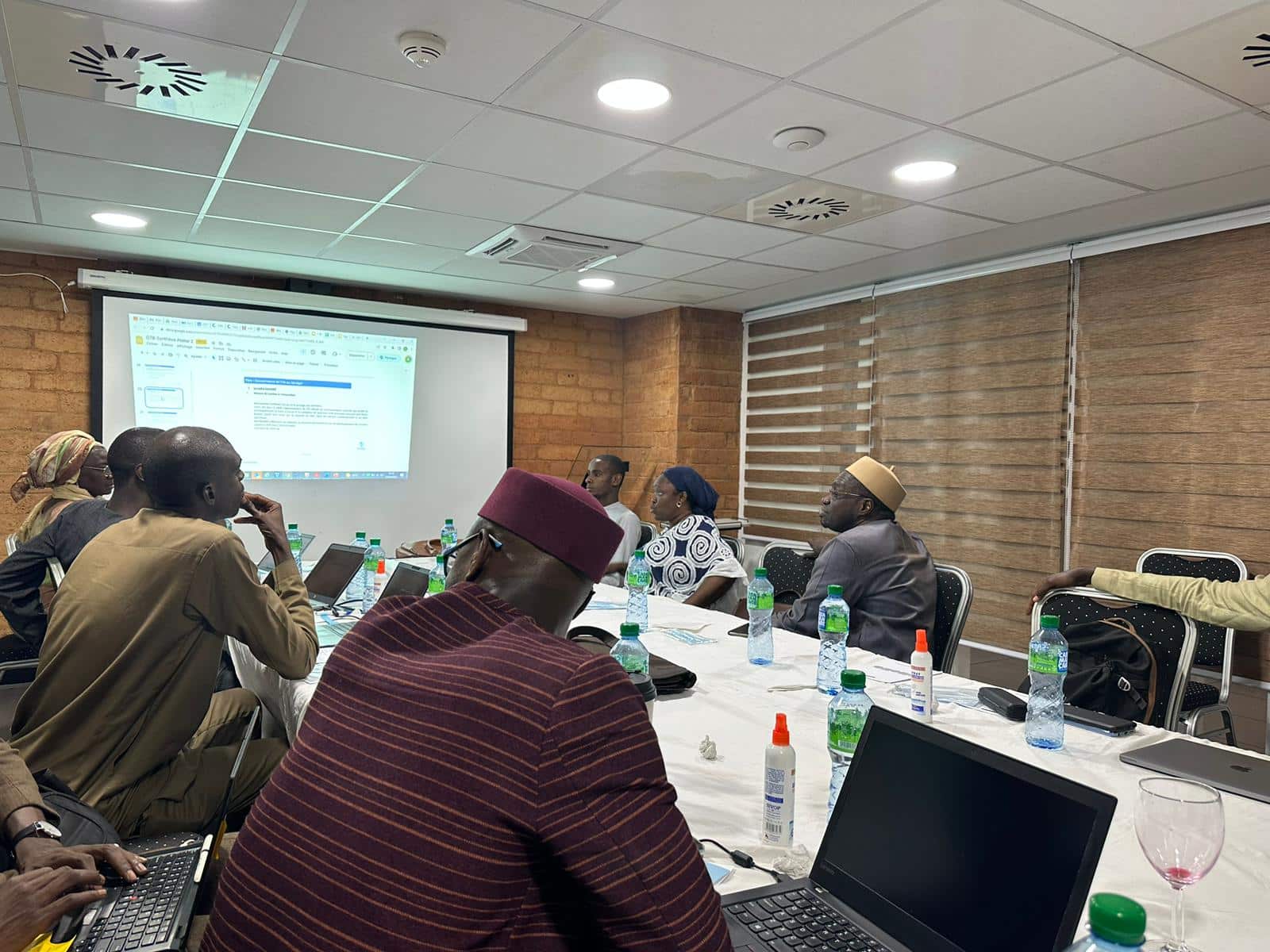
IPAR took part in the second workshop on the formulation of the national Artificial Intelligence strategy, which was held on 21 Read more
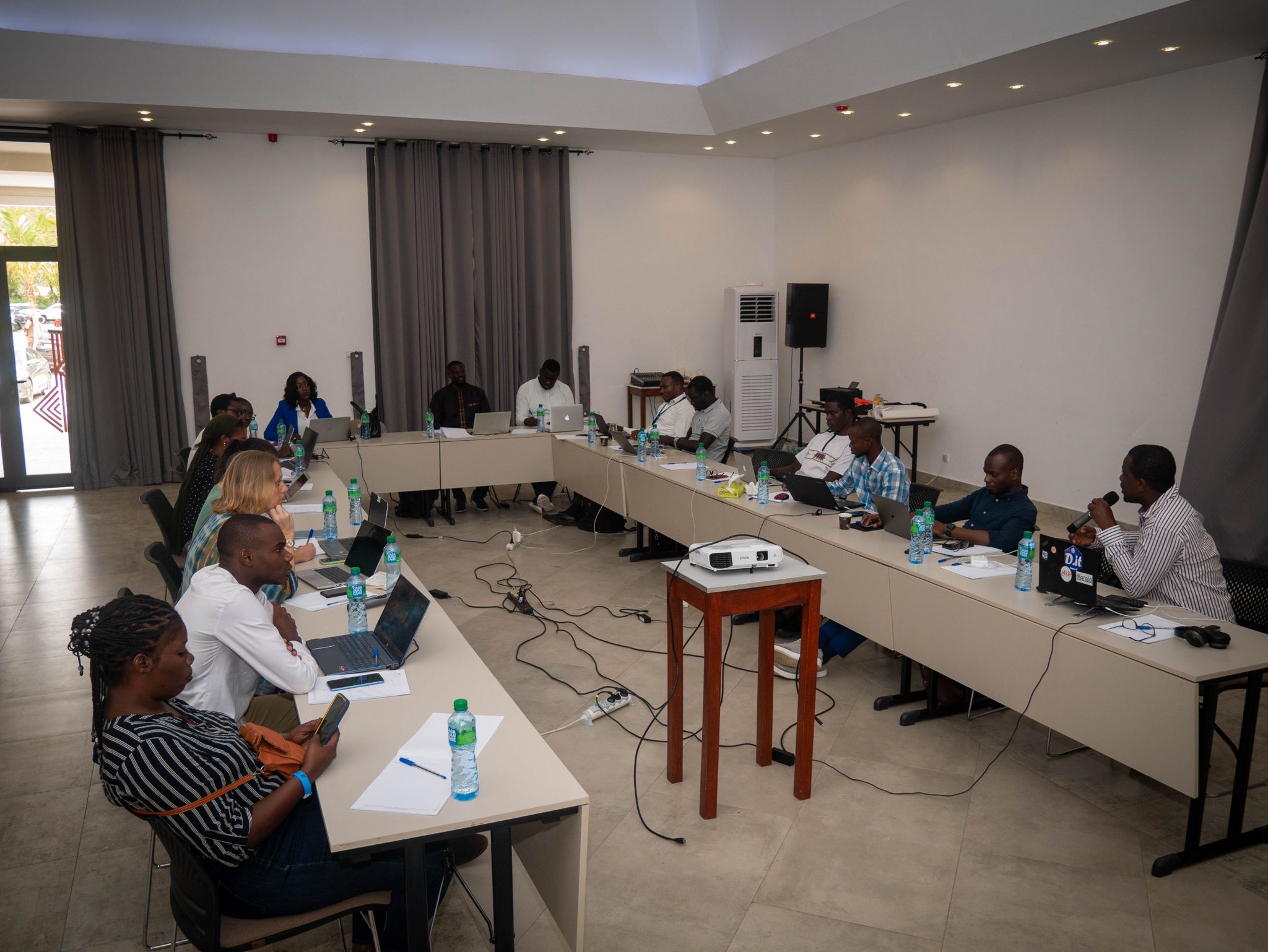
From 26 to 28 July, Ipar took part in the National Consultations workshop for young experts, key stakeholders, activists and researchers Read more
 FR
FR  EN
EN