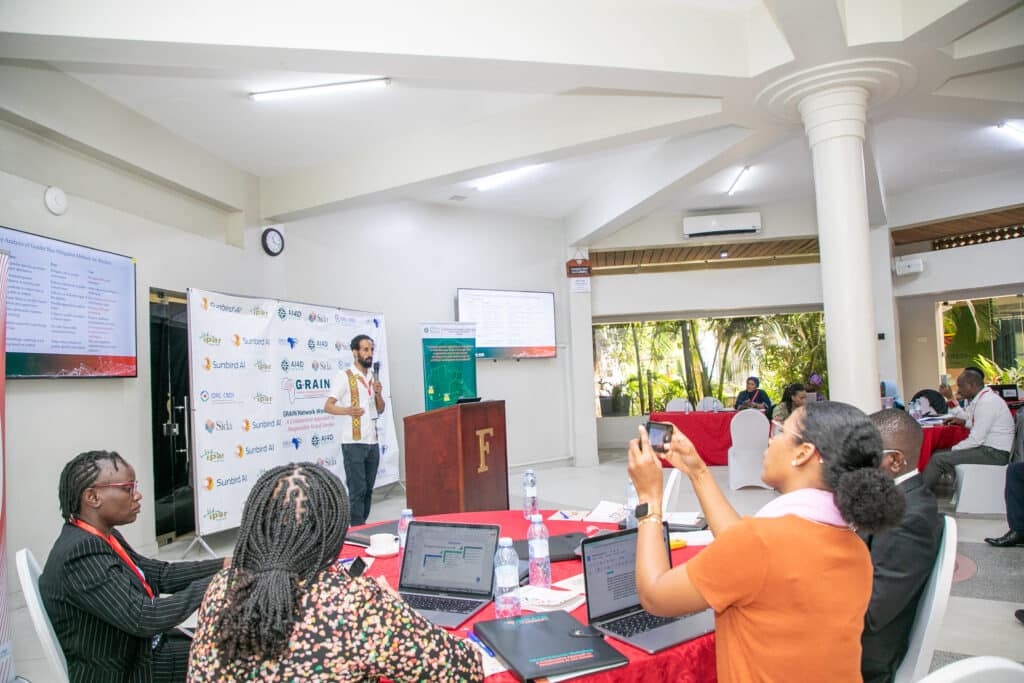
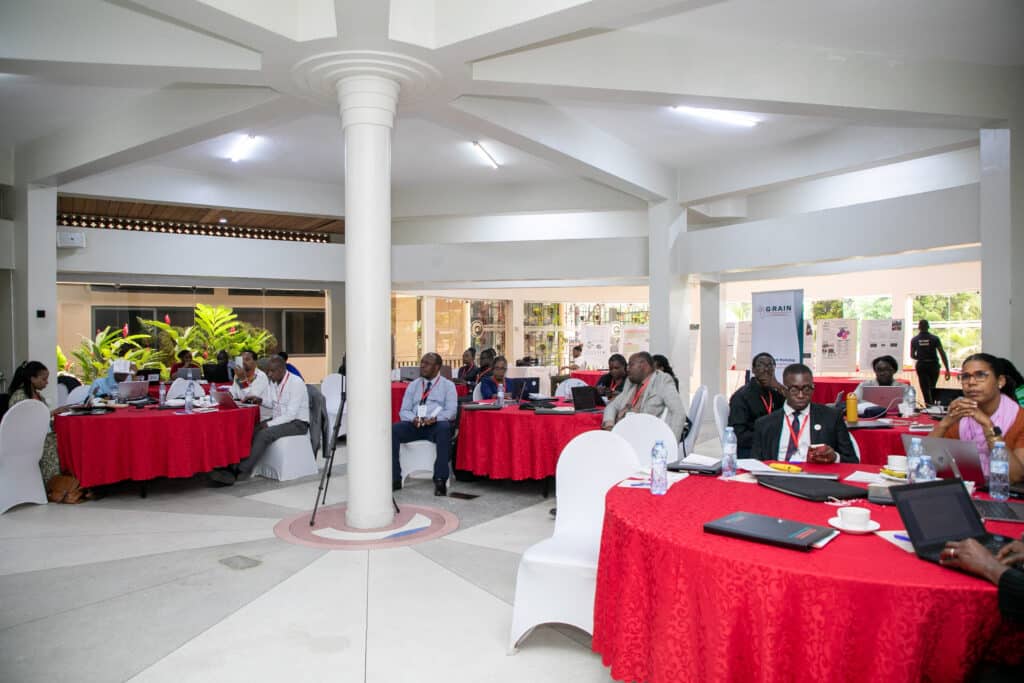
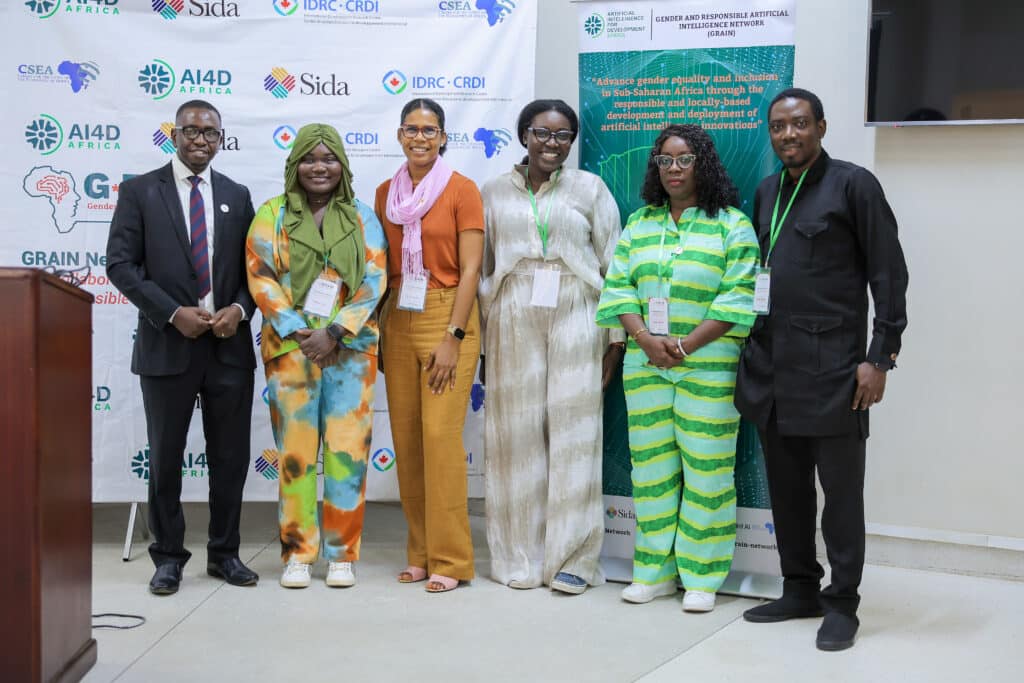
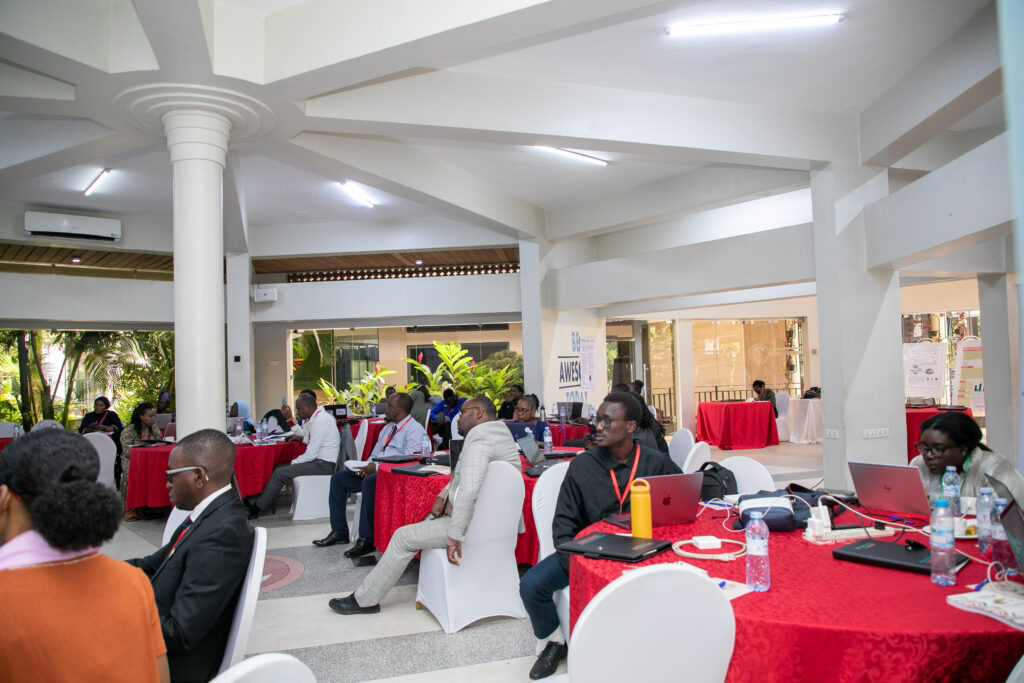
The Network for Gender and Responsible Artificial Intelligence (GRAIN), comprising the consortium members (Ipar, Sunbird and CSEA) as well as the beneficiaries of the GRAIN project, will meet from 16 to 18 April 2024, in Kampala (Uganda) to a working session focused on discussion and knowledge-sharing on the theme: «A collaborative approach to responsible AI and gender».
The aim of the meeting is to encourage collaboration and the exchange of knowledge amongst network members, to identify obstacles and opportunities for achieving the network’s objectives, and to develop strategies and action plans to address key issues relating to GRAIN’s mission. There will also be a focus on strengthening ties and improving communication within the GRAIN network to foster ongoing collaboration and support.
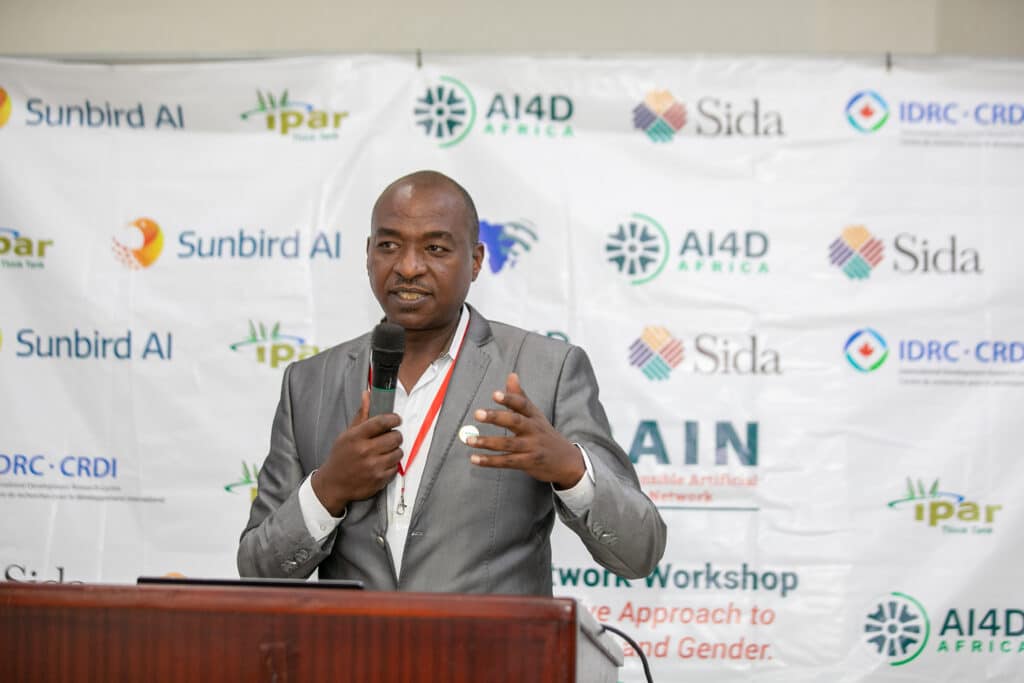
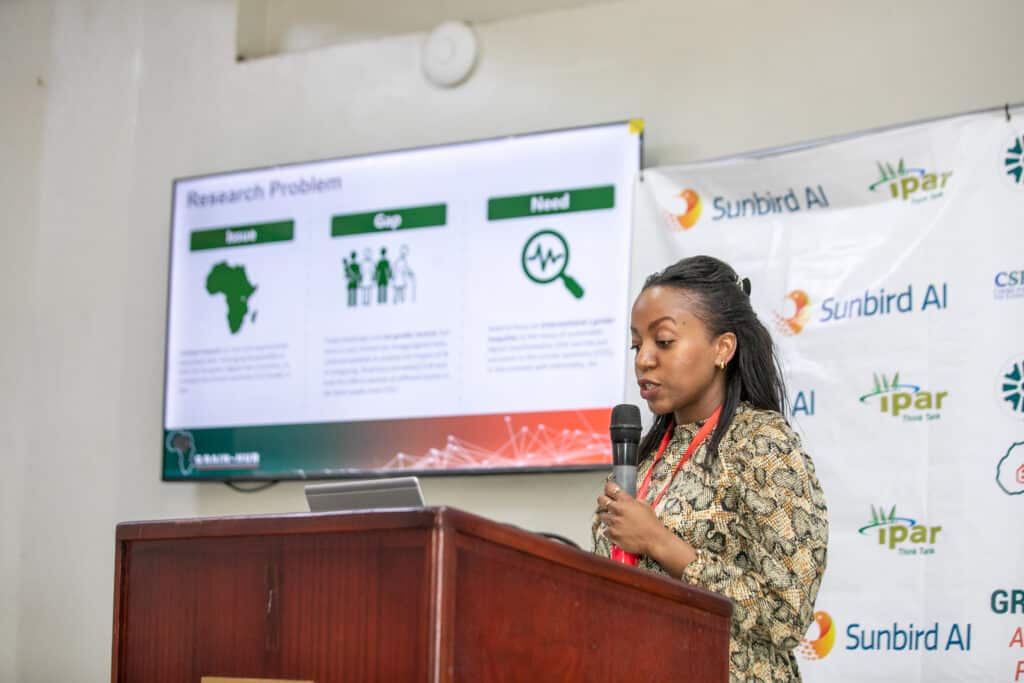
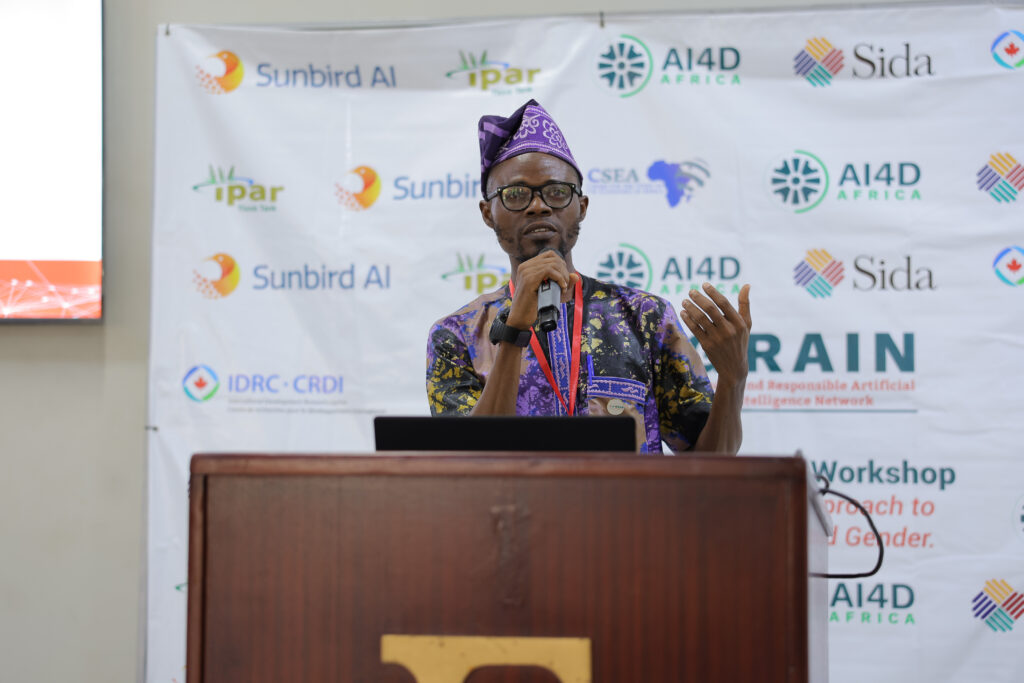
At the start of the meeting, Professor Engineer Bainomugissha, representing Sunbird AI, welcomed the participants with a presentation on Uganda – particularly Kampala, which is hosting the event – and on his institution’s achievements in using AI for the benefit of communities. According to Professor Bainomugissha, Uganda is the “pearl of Africa”, with the continent’s youngest population (77% of the population under the age of 25) and more than 40 languages spoken.
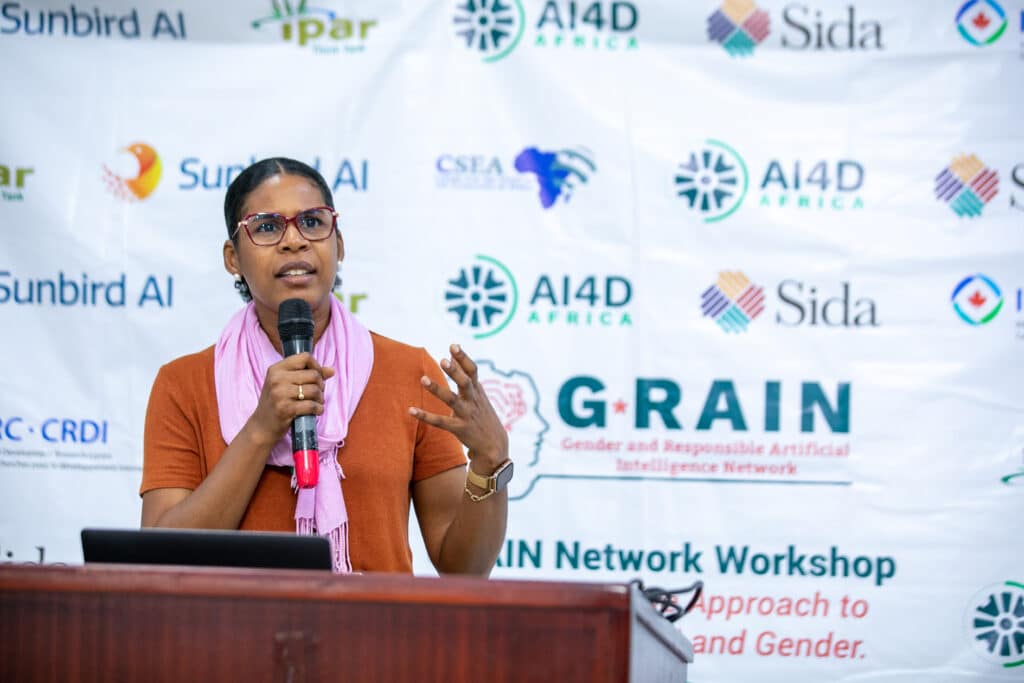
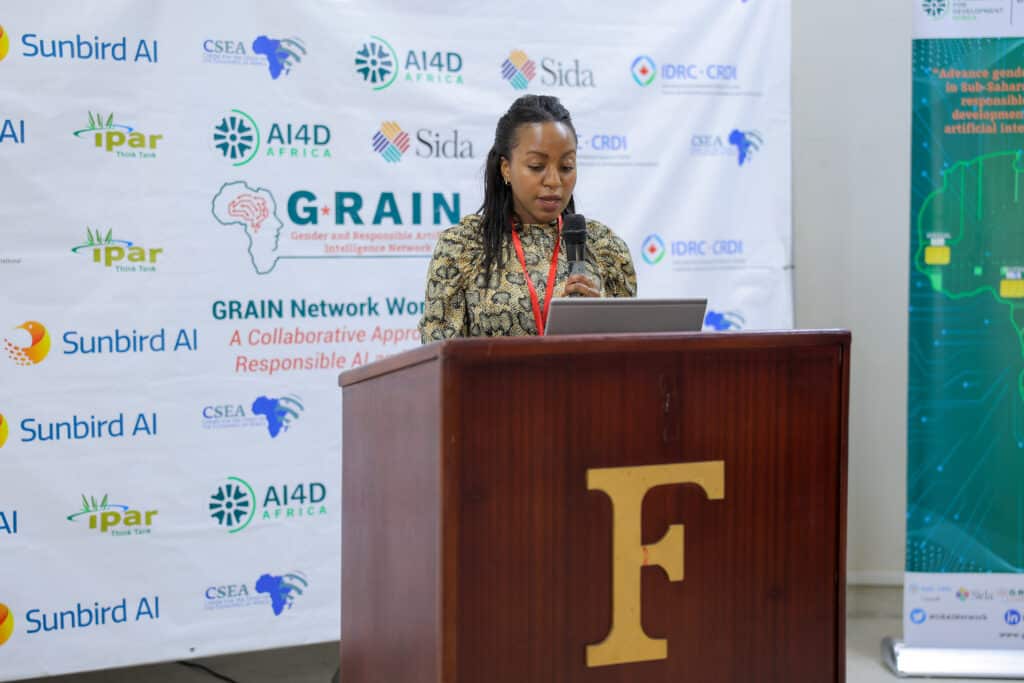
For her part, Dr Laure Tall, Director of Research at Ipar, emphasised in her speech «the extraordinary potential of AI to boost inclusive development across the African continent». Indeed, she pointed out that a recent study suggests that AI could help achieve 134 of the United Nations’ 169 Sustainable Development Goals. This encompasses solutions ranging from improving access to healthcare to combating climate change.
According to Dr Tall, it is crucial to invest in high-quality and disaggregated data for AI. Current data do not provide a complete picture of women, let alone African women. However, disaggregating data is not as simple as counting men and women. Data collection for AI also requires intersectional approaches.
She highlighted the fact that artificial intelligence could also exacerbate inequalities and the digital divide because, as she explains, there is a considerable digital imbalance between men and women.
According to Dr Adedeji Adeniran, Director of Research at CSEA, AI will have a positive impact on society’s economy. However, the benefits of AI will be unevenly distributed due to gender bias in the use and production of data for AI.
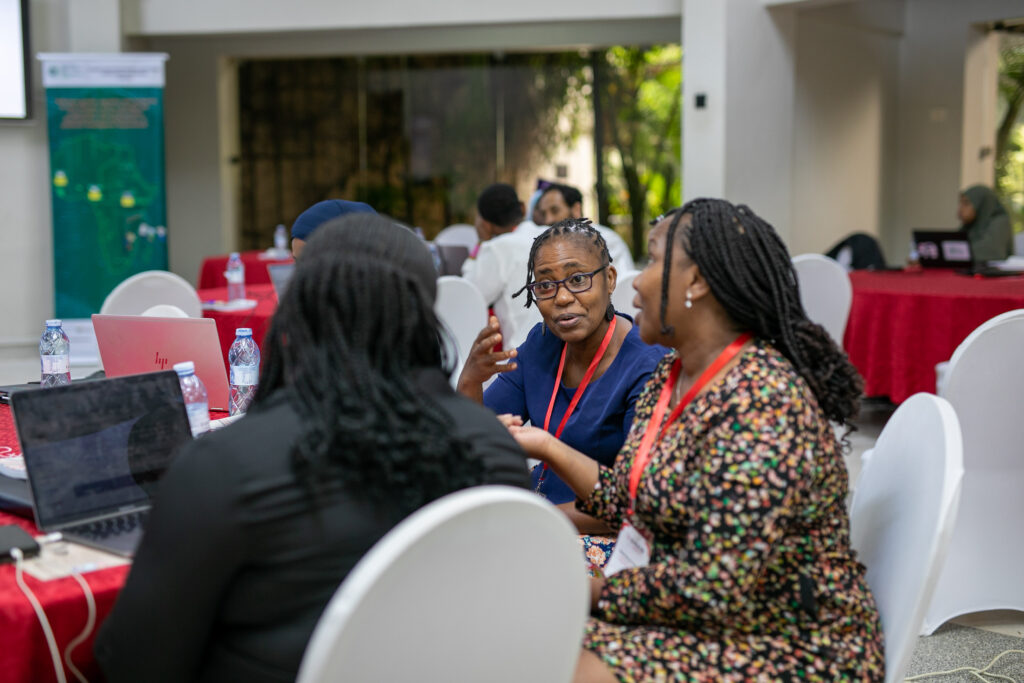
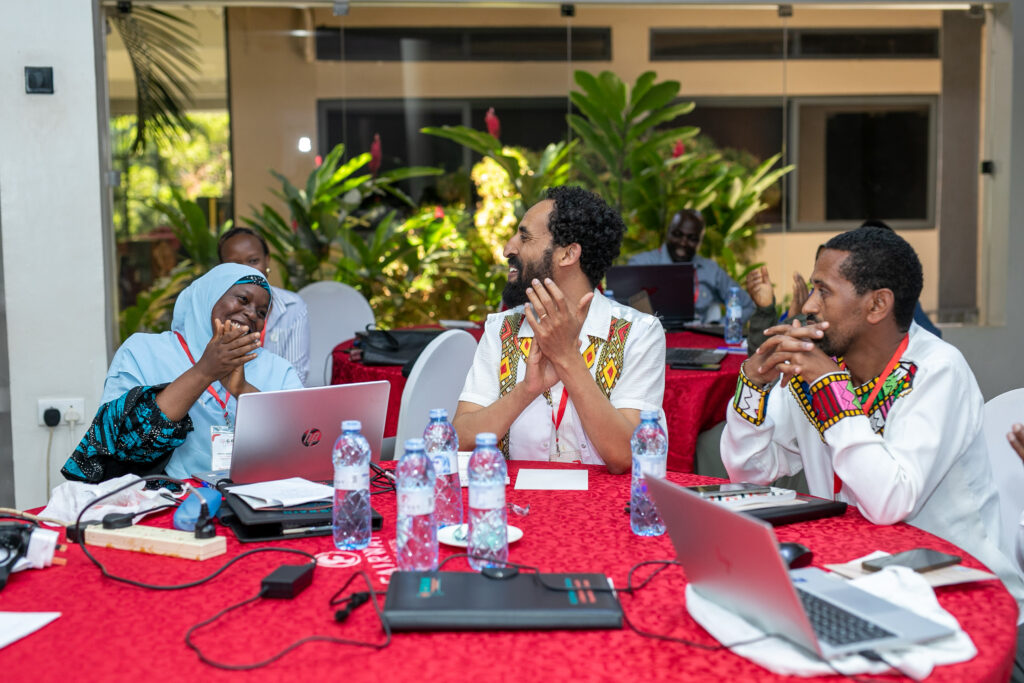
Over the course of three days, participants will adopt a participatory approach through a range of sessions, including presentations of beneficiaries’ projects, group work to draw up the network’s founding documents, and discussions on the network’s next steps, amongst other activities.
By the end of this workshop, participants are expected to have gained a better understanding of, and greater awareness regarding, the GRAIN network’s mission, objectives and activities. Furthermore, action plans and strategies will be drawn up to address the challenges identified and capitalise on the opportunities arising within the framework of the network.
It will also involve strengthening links and collaboration between members of the GRAIN network, which will foster greater synergy and collective impact in achieving shared objectives. Furthermore, members will see greater involvement from participants in actively contributing to the development and sustainability of the GRAIN network’s initiatives.
It should be noted that since its official launch in November 2023, the network has organised five webinars and five regular meetings with beneficiaries and network members. It should also be noted that the GRAIN network aims to function as a “space for collaboration”, bringing together African stakeholders with the necessary expertise, including for-profit organisations, non-profit organisations, universities, governments and research bodies, to enable self-sustainability by building on existing capacities.
GRAIN is being set up as part of the Artificial Intelligence for Development in Africa (AI4D Africa) programme, with financial support from the International Development Research Centre (IDRC) and the Swedish International Development Cooperation Agency (SIDA).




Not so long ago, people lived and went about their daily lives in close-knit communities. Every shopkeeper knew their customers personally and could...
This Machine Learning Glossary aims to provide a brief introduction to the most important machine learning terms – both for commercial and...
 FR
FR  EN
EN