Entitled "Systematic literature review on bias assessment and mitigation in automatic speech recognition models for resource-poor African languages", this study highlights a major issue in inclusive artificial intelligence: biases related to gender, accent, dialect and linguistic under-representation, which significantly affect the performance of speech technologies in Africa.
The team's participation concluded with a roundtable discussion on scientific research and technological sovereignty, bringing together researchers and experts from the private sector to discuss research challenges, geopolitical issues, and the funding mechanisms needed to develop sustainable technological research.
The authors show that, despite rapid advances in voice AI, African languages remain largely underrepresented in research. Gender, accent, and dialect biases are the most well-documented, while those related to age and ethnicity remain almost absent. The study also highlights that mitigation approaches remain predominantly data-centric (diversification, augmentation, transfer), with limited use of advanced methods of responsible AI and fairness-aware modeling.
This review calls for increased mobilization of research, policymakers, and technology stakeholders to develop speech recognition systems capable of reflecting the linguistic and social diversity of the African continent and ensuring that digital innovation benefits everyone.
Authors: Joyce Nakatumba-Nabende, Sulaiman Kagumire, Caroline Kantono, Peter Nabende
Read the full article below:

On Monday 15 May 2023 in Saly, the IPAR took part in a "panel of experts on artificial intelligence as a lever for development". Read more
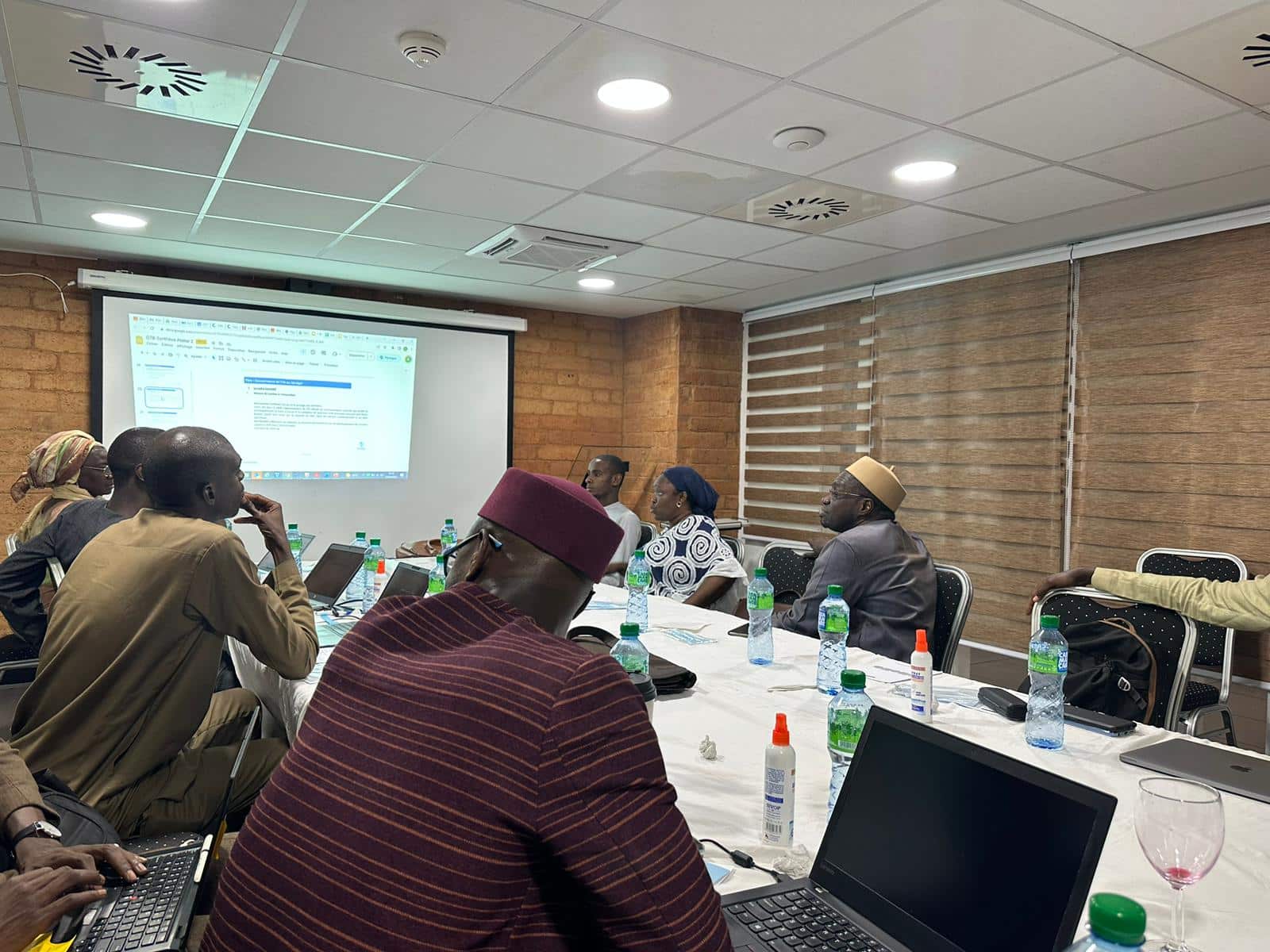
IPAR took part in the second workshop to formulate the national Artificial Intelligence strategy, which was held on 21 Read more
 FR
FR  EN
EN